

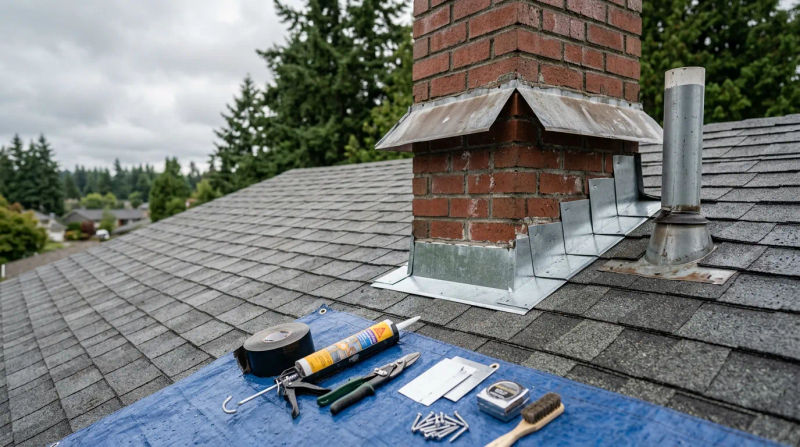
As a superintendent who oversees interior finishing, I often get called in after the problem has already become a disaster. A small, dark stain on a ceiling or a patch of bubbling paint on a wall might seem minor, but in my 15+ years of experience, I know it's usually the sign of a much bigger issue brewing outside: failed roof flashing. Homeowners in Springfield are right to be concerned about cost, and it's the first question we always hear. The goal of this guide is to provide transparent, realistic information about roof flashing repair costs so you can budget effectively and protect your home before our steady fall rains begin.
Addressing a small flashing issue now is one of the smartest investments you can make. A minor leak can quickly saturate insulation, rot structural framing, and lead to extensive drywall damage and mold - problems that are far more disruptive and expensive to fix than the initial roof repair.
Average Costs in Springfield
Providing a single, flat-rate price for roof repairs is impossible, but based on our experience with local homes, we can offer some realistic ranges. The final roof flashing repair Springfield OR pricing will always depend on the specifics of your home and the extent of the damage. As the late fire season haze gives way to autumn, it's the perfect time to get these issues inspected.
Here’s a general breakdown of what you might expect:
- Simple Flashing Reseal: For existing flashing that is structurally sound but has failing sealant, a simple reseal is often sufficient. This involves our technicians thoroughly cleaning the old, cracked sealant and applying a new, high-performance elastomeric sealant. The average chimney flashing reseal cost Oregon for a straightforward job typically falls between $350 and $750.
- Minor Section Repair or Replacement: This applies to a small, localized failure, like the flashing around a plumbing vent or a single piece of step flashing that has come loose. This requires removing some surrounding shingles, replacing the damaged metal, and integrating it back into the roofing system. Costs for this type of work generally range from $500 to $1,200.
- Complex Flashing Replacement (Chimneys, Dormers, Walls): This is a more involved project. It involves the complete removal of the old flashing system and installing a new, multi-part system. Chimneys and roof-to-wall intersections, common in the beautiful pre-1940s Craftsman homes in our area, are particularly complex. These jobs often require specialized cuts and layering to ensure a watertight seal. Expect costs to range from $1,500 to $3,500 or more, especially if underlying wood rot is discovered.
- Kickout Flashing Installation or Repair: This small but critical piece of flashing directs water away from where a roof edge meets a wall, preventing it from running down the siding. The kickout flashing repair cost before fall rain is a wise investment. Depending on the siding type (e.g., wood, vinyl, stucco) and access, this repair typically costs between $400 and $900.
Factors That Affect Price
The price ranges above are a starting point. Several key factors will influence your final flashing repair cost. Our organized workflow includes assessing each of these during an initial inspection.
- Accessibility and Roof Pitch: A low-slope, single-story roof is much easier and safer to work on than a steep, two-story roof. Difficult access requires more time and extensive safety equipment (harnesses, roof jacks), which increases labor costs.
- Extent of Damage: Is it just a sealant gap, or is the metal flashing rusted through, bent, or completely missing? The most significant variable is the discovery of water damage to the underlying roof deck (sheathing). If our crew removes shingles and finds soft, rotten wood, it must be replaced before new flashing can be installed. This adds material and labor costs to the project.
- Type of Flashing and Roofing Material: The materials themselves affect the price. Copper is a premium, long-lasting material but costs significantly more than galvanized steel or aluminum. Furthermore, the type of roofing you have matters. Working with architectural shingles is different from working with slate, tile, or metal roofing, each requiring specific techniques and time commitments.
- Complexity of the Job: A simple vent pipe flashing is straightforward. A chimney on a steep roof with a cricket (a small peaked structure behind the chimney to divert water) is one of the most complex flashing jobs. The intricate rooflines and dormers found on many older Willamette Valley homes require a high degree of skill and more time to flash correctly.
How to Get the Best Value
Getting the "best value" isn’t about finding the cheapest price; it's about getting a durable, long-lasting repair that gives you peace of mind. A repair that fails in two years was no bargain.
- Be Proactive: The absolute best way to save money is to address flashing issues before they cause interior damage. A yearly roof inspection, especially in late summer, can spot failing sealant or loose flashing. The cost of a small roof repair is a fraction of what it costs to replace a water-stained ceiling and rotted wall framing - a scenario I see all too often.
- Bundle Repairs: If an inspection reveals issues in multiple areas (e.g., around the chimney and a vent pipe), have them all addressed at once. This saves money on labor, as our crew is already on-site with their equipment and materials. It minimizes trip charges and setup time.
- Choose Quality Over Quick Fixes: Be wary of quotes that seem too good to be true. A handyman offering to simply caulk over a rusted piece of flashing is not providing a real solution. A proper repair involves removing old materials, inspecting the substrate, and installing a new, correctly layered flashing system. This approach, handled by a trained crew, ensures the repair will last for decades.
- Understand What You're Paying For: A professional contractor's price includes not just labor and materials, but also liability insurance, workers' compensation, safety protocols, and a warranty. These protections are invaluable and are what separate a professional job from a risky side-job.
Questions to Ask Your Contractor
To ensure you're hiring a qualified professional and making an informed decision, always ask these questions before signing a contract:
- Can you provide a detailed, itemized quote? The quote should clearly separate costs for labor, materials, and any potential contingencies, like a price per square foot for replacing rotten decking.
- What specific materials will you be using? Ask about the gauge and type of metal for the flashing and the brand and type of sealant. A quality contractor will use high-performance materials designed for longevity.
- How will you handle a discovery of underlying wood rot? A professional will have a clear, pre-defined process for documenting the damage (with photos) and getting your approval for the additional work before proceeding.
- What is your warranty on workmanship and materials? A reputable company will stand behind their work with a clear warranty.
- Are your technicians trained, licensed, and insured? This is non-negotiable. Roofing work carries inherent risks, and you need to be protected from any liability. Ensure they have both general liability and workers' compensation insurance.
Taking the time to address your roof flashing is a critical part of fall home maintenance here in the Pacific Northwest. A small investment now prevents a cascade of costly problems once the rain settles in for the winter. By understanding the costs and asking the right questions, you can ensure your home stays warm, dry, and protected for years to come.
For a personalized estimate and a thorough inspection in the Springfield area, contact JF Drywall & Construction LLC for a free consultation. We can help you budget for the repair and get it done right.